
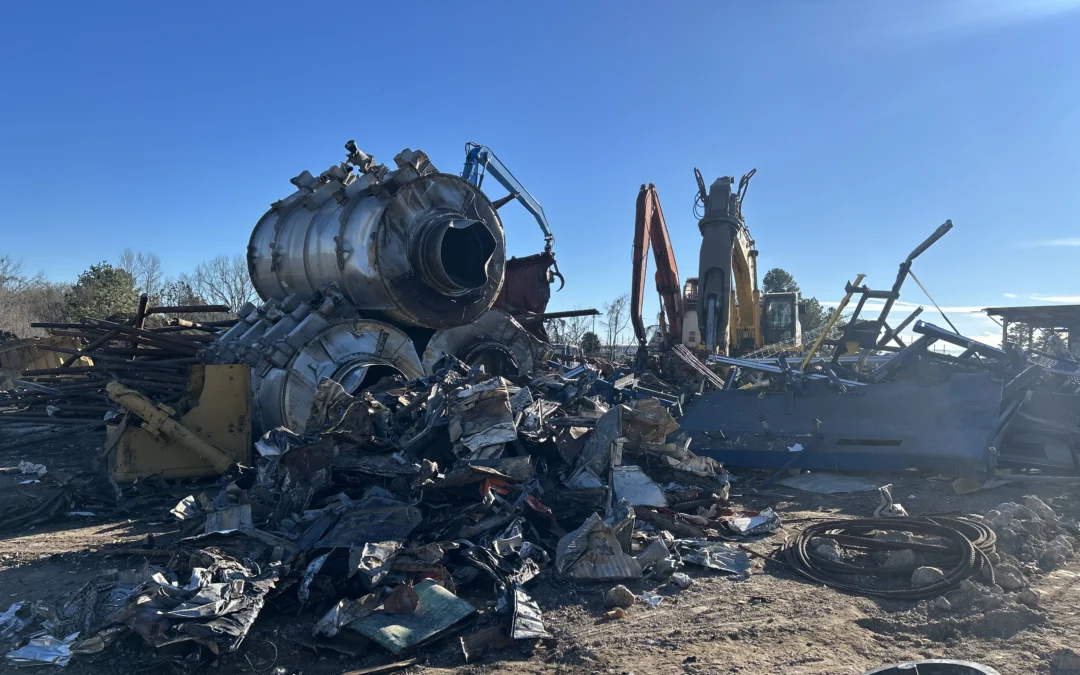
Metal recycling plays a direct role in helping construction projects earn LEED certification points, especially in the Materials and Resources category. In 2026, it’s a central expectation across commercial development, infrastructure projects, and large-scale renovations. Developers, architects, and contractors are increasingly designing buildings that prioritize energy efficiency, resource conservation, and long-term environmental performance.
One of the most widely recognized frameworks guiding this shift is LEED certification (Leadership in Energy and Environmental Design). Managed by the U.S. Green Building Council (USGBC), LEED certification helps evaluate how environmentally responsible and resource-efficient a building project is from design through construction.
While many people associate LEED with energy systems or green construction, metal recycling plays a major role in achieving LEED credits. From construction waste diversion to the use of recycled materials, scrap metal recovery is a key strategy that helps projects meet sustainability goals.
For contractors, developers, and demolition teams across Georgia, understanding how metal recycling supports LEED certification can help turn responsible waste management into both an environmental and financial advantage.
What Is LEED Certification?
LEED is a globally recognized rating system that measures how well a building meets sustainability and environmental performance standards. Projects can achieve different levels of certification depending on how many points they earn during construction and design.
The four certification levels include:
- Certified
- Silver
- Gold
- Platinum
Points are earned in several categories, including:
- Sustainable site development
- Water efficiency
- Energy and atmosphere
- Materials and resources
- Indoor environmental quality
Metal recycling primarily contributes to the Materials and Resources category, where waste reduction and responsible sourcing are key priorities.
Why Construction Waste Diversion Matters
Construction and demolition debris represent one of the largest waste streams in the United States. Materials like steel, copper, aluminum, and other metals often end up in landfills if not properly separated and recycled.
LEED encourages projects to divert a significant portion of construction waste away from landfills through recycling programs.
Recycling metal supports this goal because:
- Metals are highly recyclable and can be reused indefinitely without losing quality.
- Large volumes of steel, copper, and aluminum can be recovered during demolition or renovation.
- Diverting metal scrap dramatically improves a project’s overall waste diversion percentage.
For example, a commercial renovation that removes HVAC equipment, electrical systems, ductwork, and structural components may generate thousands of pounds of recyclable metal. Properly recycling these materials helps projects meet LEED waste diversion benchmarks.
The Role of Scrap Metal in Sustainable Construction
Metal is one of the most sustainable materials used in modern construction because it can be recycled repeatedly without degrading.
Steel, aluminum, copper, and brass can all be melted down and reused in new manufacturing processes. This significantly reduces the need for mining raw materials, which can be energy-intensive and environmentally disruptive.
Recycling metal helps reduce:
- Energy consumption
- Greenhouse gas emissions
- Mining-related environmental impact
- Landfill waste
For construction projects pursuing LEED certification, this creates a clear opportunity: recover metal from demolition and construction waste and return it to the manufacturing cycle.
Metals Commonly Recycled on LEED Construction Projects
Many building materials and infrastructure components contain recyclable metals. Some of the most common include:
Steel
Steel is one of the most recycled materials in the world. On construction sites, it often comes from:
- Structural beams
- Rebar
- Metal studs
- Equipment housings
- Mechanical systems
Because steel is heavy and widely used, it often represents the largest portion of recyclable metal on construction projects.
Copper
Copper is widely used in electrical systems and mechanical infrastructure. Common sources include:
- Electrical wiring
- Bus bars
- Copper pipes
- HVAC components
Copper’s high value makes it one of the most desirable metals to recover and recycle.
Aluminum
Aluminum appears in many building components, such as:
- Window frames
- Curtain walls
- Roofing materials
- HVAC coils
- Architectural features
Recycling aluminum uses far less energy than producing new aluminum from raw materials.
Brass and Specialty Metals
Brass fixtures, valves, connectors, and specialty alloys may also be recovered during demolition and renovation projects.
While these metals may appear in smaller quantities, they still contribute to a project’s recycling totals and sustainability goals.
Recycling Infrastructure Supports Sustainable Development
One of the key elements of successful LEED projects is access to reliable recycling partners who can properly process materials recovered during construction or demolition.
When contractors work with established recycling facilities, they gain several benefits:
- Clear documentation of recycled materials
- Accurate weight tracking
- Proper processing of metals
- Faster site cleanup and waste management
This documentation is especially important for LEED projects because contractors must demonstrate how materials were diverted from landfills.
Recycling facilities that provide transparent weighing and reporting help project teams verify the amount of metal recycled during construction.
Financial Benefits of Metal Recycling
While sustainability is a major driver behind LEED certification, recycling metal also offers financial advantages.
Many metals carry significant scrap value. Instead of paying landfill fees for disposal, contractors can receive payouts for materials such as copper, aluminum, and steel.
For projects involving commercial building renovations, mechanical system replacements, electrical upgrades, and demolition work, the volume of recyclable metal can add up quickly.
Recovering and recycling these materials helps offset project costs while also contributing to sustainability goals.
Why LEED Projects Continue Growing
Demand for LEED-certified buildings continues to increase across many industries, including:
- Commercial office construction
- Data centers and technology infrastructure
- Healthcare facilities
- Universities and educational campuses
- Government buildings
Developers are recognizing that sustainable buildings often deliver long-term advantages such as:
- Lower operating costs
- Improved environmental performance
- Greater tenant demand
- Stronger corporate sustainability credentials
Because materials management plays such a major role in construction sustainability, metal recycling will continue to be a critical component of green building practices.
Building a Sustainable Construction Process
For contractors looking to support LEED-certified projects, establishing a strong recycling process is essential.
This typically includes:
- Separating metals from general construction debris
- Using dedicated scrap containers for recyclable materials
- Coordinating regular pickup during demolition or renovation phases
- Tracking metal weights and recycling totals
Even relatively small process changes can dramatically improve waste diversion rates.
When construction teams prioritize recycling from the beginning of a project, achieving LEED targets becomes much more manageable.
Supporting Sustainable Construction with Olympus Recycling
At Olympus Recycling, we work with contractors, developers, and demolition teams throughout Georgia to help manage scrap metal responsibly and efficiently.
Our facilities in Atlanta and Gainesville provide fast, transparent recycling services for a wide range of metals, including copper, aluminum, steel, brass, and more.
Whether you’re working on a commercial renovation, infrastructure project, or demolition site, our team can help you recover valuable materials and keep them in circulation.
We offer:
- Convenient scrap metal drop-off
- Competitive market payouts
- Roll-off dumpsters for large projects
- Fast processing and weighing
- Support for contractors managing construction waste
Metal recycling isn’t just good for the environment. It helps projects move efficiently and contributes to the growing demand for sustainable construction.
If your construction or demolition project is generating metal waste, Olympus Recycling is ready to help. Bring your scrap metal to Olympus Recycling and turn valuable materials into both environmental impact and real return. Contact us today to get started.
Get weighed. Get paid. And build for the future responsibly.