
Stainless Steel
Recycling Services


Maximize the Value of Your Stainless Steel Scrap
Stainless steel is one of the most durable and recyclable metals, commonly used in industrial, commercial, and household applications. At Olympus Recycling, we offer competitive payouts and fast service for all types of stainless steel scrap. Whether you’re recycling manufacturing scrap, kitchen equipment, or structural materials, our facilities in Atlanta and Gainesville, GA, make the process easy, efficient, and profitable. Stainless is one of many metals we buy at both yards.
Types of Stainless Steel We Accept
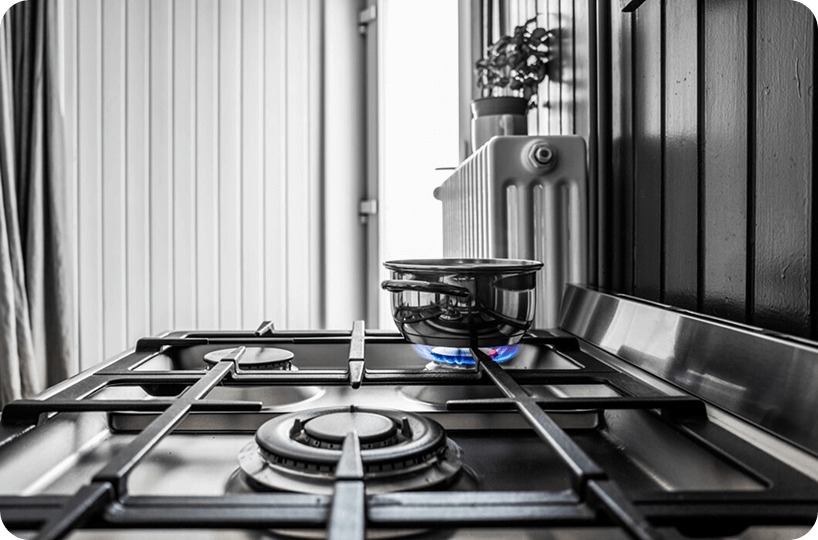
300 Series Stainless Steel
The most commonly recycled type of stainless steel is used in a variety of applications. We accept:

304 Stainless Steel
Found in kitchen appliances, sinks, and food processing equipment.
316 Stainless Steel
Corrosion-resistant steel used in marine and medical industries.
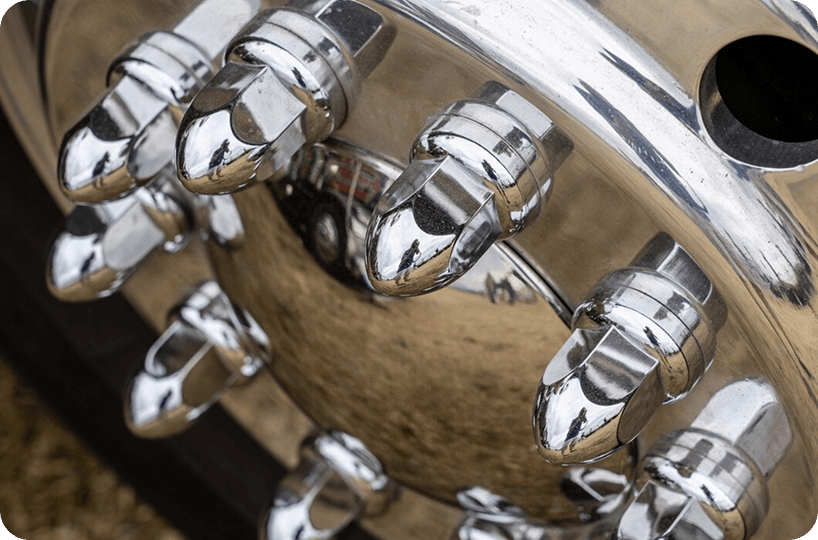
400 Series Stainless Steel
Magnetic stainless steel with lower corrosion resistance but high strength. We accept:
410 & 430 Stainless Steel
Used in automotive parts, cutlery, and industrial machinery.
Other Ferritic and Martensitic Stainless Steel Grades
Found in structural and heat-resistant applications.
Industrial & Commercial Stainless Steel Scrap
Businesses and industries generate large amounts of stainless steel scrap. We accept:
Stainless Steel Manufacturing Scrap
Excess material from fabrication and production.
Construction & Demolition Stainless Steel
Structural and architectural components.
Stainless Steel Piping & Tubing
Used in industrial and plumbing systems.
What Affects Stainless Steel Scrap Prices?
One of the most common questions customers ask is, “How much is stainless steel scrap worth?”
Unlike materials with a single standardized resale value, stainless steel scrap prices fluctuate based on alloy composition, material grade, condition, weight, and current commodity market demand.
Understanding these factors can help you better prepare your material and determine what influences its recycling value. To see how stainless compares to other metals, read What Scrap Metal Is Worth the Most in Atlanta?
Stainless Steel Grade: 304 vs. 316
The grade of stainless steel is one of the biggest factors affecting scrap value.
304 stainless steel typically contains chromium and nickel, while 316 stainless steel also contains molybdenum. These alloying elements influence the material’s industrial applications and potential recycling value.
Because 316 contains molybdenum and often has a different nickel content, its scrap value may be higher than 304 under certain market conditions. However, actual pricing depends on current demand, alloy markets, and material classification.
Keeping known grades separated can help streamline identification and prevent different stainless steel materials from being mixed unnecessarily.
Magnetic vs. Non-Magnetic Stainless Steel
Magnetism can provide a useful initial clue when identifying stainless steel, but it doesn’t determine the material’s grade or value on its own.
Many 300-series stainless steels are generally non-magnetic when annealed, while common 400-series grades are magnetic. However, some 300-series stainless steels can develop magnetic properties through cold working.
Because different stainless steel grades contain different alloying elements, magnetic and non-magnetic materials may receive different scrap classifications and prices.
If you’re unsure what type of stainless steel you have, Olympus Recycling can help evaluate the material.
Clean vs. Contaminated Stainless Steel
Material condition also influences stainless steel scrap pricing.
Clean stainless steel that is separated from other metals and free of excessive non-metallic attachments is generally easier to classify and process.
Stainless steel mixed with carbon steel, rubber, plastic, insulation, or other contaminants may require additional sorting or preparation. Manufacturing turnings and machining scrap may also contain cutting fluids or other residues that affect acceptance, handling, or classification.
For businesses generating large quantities of stainless steel, separating materials at the source can help maintain more consistent scrap quality.
Weight, Volume & Market Demand
The total weight of your stainless steel scrap affects the overall payout. Manufacturing facilities, fabrication shops, and industrial operations may generate substantial quantities through ongoing production or equipment replacement.
Commodity markets also influence stainless steel scrap prices. Changes in demand for stainless steel production and alloying elements such as nickel and molybdenum can affect market values.
Stainless steel scrap prices fluctuate based on market conditions, material grade, quality, and demand. Contact Olympus Recycling for current pricing rather than relying on outdated online estimates.
Common Sources of Stainless Steel Scrap
Stainless steel is used throughout commercial and industrial operations, creating recycling opportunities for businesses across multiple industries.
Restaurant & Commercial Kitchen Equipment
Restaurants, hotels, cafeterias, food service facilities, and commercial kitchens often generate stainless steel scrap during renovations or equipment replacements.
Common materials include commercial sinks, preparation tables, shelving, countertops, stainless steel cabinets, and certain components from commercial appliances.
Recycling qualifying stainless steel equipment can help businesses recover value while clearing space during kitchen upgrades and facility renovations.
Fabrication Offcuts & Production Scrap
Metal fabrication shops regularly generate stainless steel offcuts from cutting, shaping, welding, and manufacturing processes.
These materials may include sheet metal remnants, stainless steel tubing, plate, pipe, and other production scrap. Keeping known grades separated can simplify recycling and help facilities manage material more efficiently.
For fabrication shops producing stainless steel scrap continuously, recurring commercial recycling services may provide a more practical solution than occasional drop-offs.
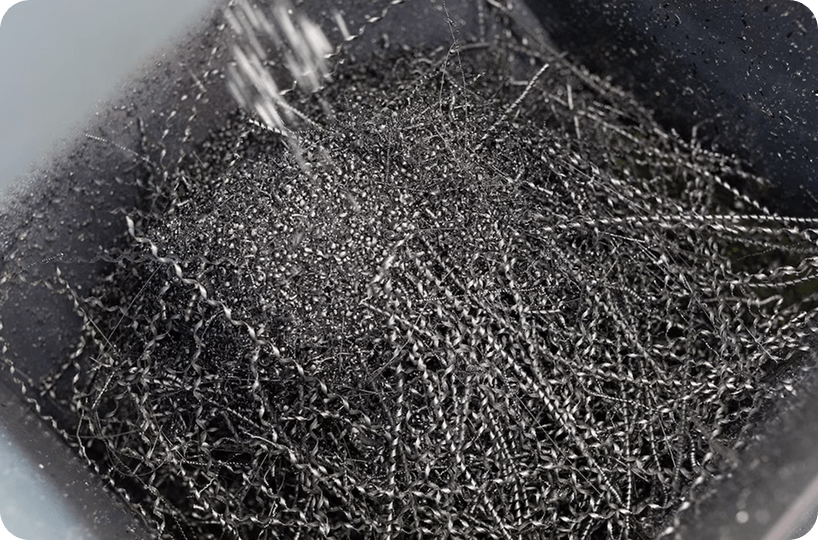
Manufacturing Turnings & Industrial Scrap
Machine shops and manufacturing facilities may generate stainless steel turnings, shavings, and other machining byproducts. For ongoing production scrap, our industrial recycling programs can be built around your schedule.
These materials can have different handling and processing requirements than solid stainless steel scrap, particularly when cutting fluids, oils, or other residues are present.
Contact Olympus Recycling before bringing in large quantities of stainless steel turnings or specialized industrial materials so our team can confirm acceptance and any preparation requirements.
Construction & Demolition Materials
Commercial construction, renovation, and demolition projects can produce stainless steel piping, railings, structural components, fixtures, and equipment.
Contractors can separate these materials from general demolition waste to support recycling and potentially recover value from their scrap.
Why Recycle
Stainless Steel with Olympus Recycling?

Competitive Payouts: Get top dollar for your stainless steel scrap.
Fast Processing & Payment: Quick weighing and same-day payouts.
Eco-Friendly Recycling: Reduce waste and contribute to sustainability.
Convenient Locations: Two facilities in Atlanta and Gainesville, GA.
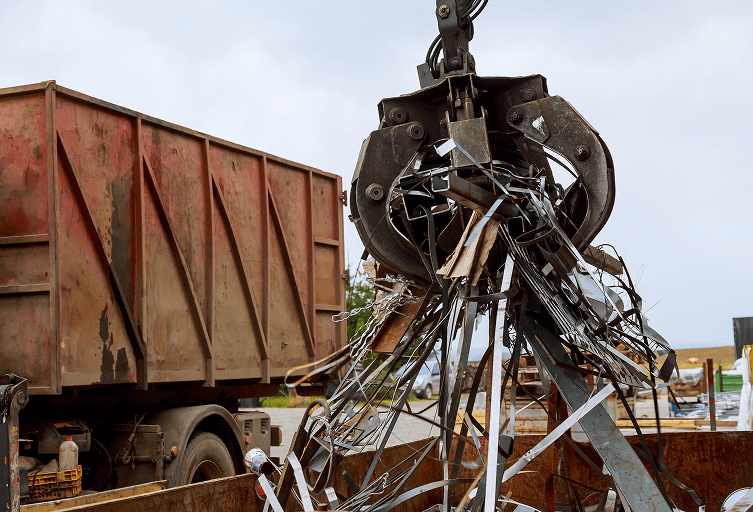
Who Can Recycle Stainless Steel?
Our stainless steel recycling services are ideal for:
Manufacturers and Fabricators handling stainless steel production scrap.
Construction and Demolition Contractors clearing structural and piping materials.
Restaurants and Commercial Kitchens disposing of old appliances and fixtures.
Homeowners recycling stainless steel sinks, appliances, and cookware.
No load is too big or too small — bring in everything from small kitchen scraps to large industrial shipments. For large commercial or industrial loads, our roll-off dumpster rentals make collection and hauling easy.
How It Works

Drop Off Your Stainless Steel Scrap
Visit our Atlanta or Gainesville location — no appointment necessary.

Weigh and Process
Our team will weigh and sort your materials to ensure accurate pricing.

Get Paid Fast
Receive immediate payment based on current stainless steel scrap prices.
Frequently Asked Questions About Stainless Steel Recycling
How Much Is Stainless Steel Scrap Worth?
Stainless steel scrap prices vary based on grade, alloy composition, weight, condition, and current commodity market demand. For example, 304 and 316 stainless steel may have different recycling values because of their nickel and molybdenum content. Contact Olympus Recycling for current stainless steel scrap pricing.
Is 304 or 316 Stainless Steel Worth More as Scrap?
316 stainless steel may have a higher scrap value than 304 because it contains molybdenum and has a different alloy composition. However, pricing depends on current market conditions and material classification. Keeping known grades separated can help make the recycling process more efficient.
Can You Recycle Magnetic Stainless Steel?
Yes. Many magnetic stainless steels, including common 400-series grades, are recyclable. However, magnetic stainless steel may have a different scrap value than certain non-magnetic grades because of differences in alloy composition.
How Can I Tell if My Stainless Steel Is 304 or 316?
Both grades are generally non-magnetic in their annealed condition, so a magnet alone cannot reliably distinguish between them. Material markings, manufacturer specifications, and professional alloy identification methods can help determine the grade. If you’re unsure, contact Olympus Recycling for guidance.
Can Restaurants Recycle Stainless Steel Kitchen Equipment?
Yes. Many stainless steel sinks, preparation tables, shelving units, and other commercial kitchen components can be recycled. Contact Olympus Recycling to confirm acceptance of specific equipment, particularly items containing non-metallic components or other materials.
Does Olympus Recycling Accept Stainless Steel Turnings?
Qualifying stainless steel turnings and machining scrap may be accepted depending on material condition and handling requirements. Contact our team before transporting large quantities, especially if the material contains cutting fluids, oils, or other residues.
Can Businesses Schedule Stainless Steel Scrap Pickup?
Yes. Olympus Recycling provides commercial scrap pickup and roll-off container options for qualifying business loads. Manufacturers, fabrication shops, contractors, and industrial facilities can contact our team to discuss available collection solutions.
Where Can I Recycle Stainless Steel Near Atlanta, GA?
Olympus Recycling operates a recycling facility at 7655 Ponce De Leon Cir NW, Atlanta, GA 30340. We also have a Gainesville location at 1393 Candler Road, Gainesville, GA 30507, serving Hall County and surrounding North Georgia communities.
Visit Olympus
Recycling Today
Olympus Recycling is your trusted partner for fast, reliable, and profitable stainless steel recycling.
