
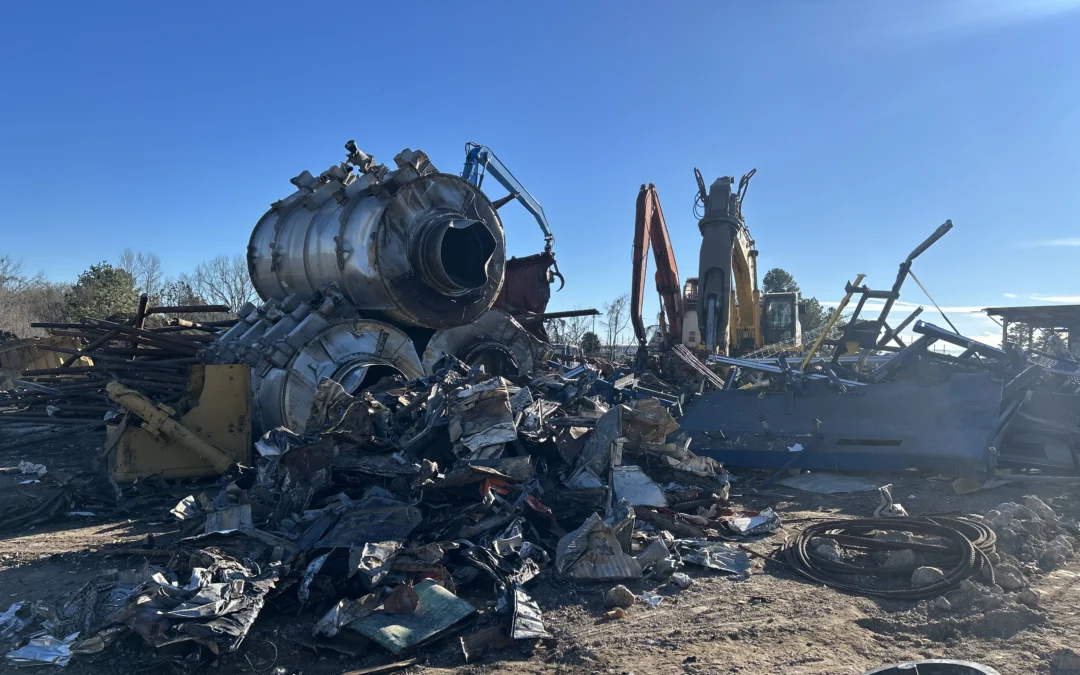
Construction and demolition projects generate a tremendous amount of material, but not everything coming off a jobsite belongs in a landfill. Structural steel, copper wiring, aluminum components, stainless steel, brass fixtures, and other metals can retain significant recycling value.
For contractors, that creates an opportunity to approach scrap as a recoverable project asset rather than simply another waste stream.
A well-planned construction scrap metal recycling strategy can help reduce the amount of material headed for disposal, keep jobsites organized, and potentially generate additional revenue from recyclable metals. The key is having a plan for separating, collecting, and removing scrap without interfering with the project schedule.
Olympus Recycling works with construction companies, demolition contractors, builders, and commercial project teams throughout Metro Atlanta, Gainesville, and North Georgia to make that process easier.
Why Construction and Demolition Scrap Should Be Recycled
Commercial construction and demolition projects can produce large quantities of metal in a relatively short period. During a building teardown, for example, crews may remove structural steel, metal framing, electrical systems, plumbing components, HVAC equipment, and other recyclable materials.
Throwing all of that into a mixed waste stream can mean paying to dispose of materials that may have scrap value.
Separating recyclable metal creates a different path. Instead of sending usable material to a landfill, contractors can direct it to a recycling facility where it can be processed and returned to the material supply chain.
This can help contractors reduce landfill volume while supporting broader sustainability and waste-diversion goals. It may also create a financial return based on the type, weight, condition, and current market value of the metal.
Scrap pricing fluctuates, so payouts can change with market conditions. However, identifying recyclable materials before demolition or cleanup begins gives contractors a better opportunity to capture whatever value is available.
Steel Recycling for Demolition and Construction Projects
Steel is often one of the largest recyclable material streams on a construction or demolition site.
Structural beams, rebar, steel framing, piping, machinery, equipment, and other heavy metal components can add up to substantial tonnage. Although steel generally has a lower value per pound than non-ferrous metals such as copper, its sheer volume can make it an important part of a project’s recycling strategy.
Keeping steel separate from wood, drywall, insulation, and general debris can simplify processing and make collection more efficient.
Large demolition projects may also generate heavy melting steel (HMS) and plate and structural steel (P&S). Planning for these materials ahead of time is particularly important because their size and weight can affect container selection, loading procedures, and transportation.
Olympus Recycling works with contractors to determine an appropriate approach for steel scrap recycling, including roll-off containers and other commercial collection options for larger projects.
Recover High-Value Metals Before They Hit the Waste Stream
Steel may account for a large percentage of construction scrap by weight, but contractors should also pay attention to non-ferrous metals.
Copper is a prime example. Electrical renovations, mechanical upgrades, and demolition projects can produce copper wire, tubing, piping, and other components. Because copper typically carries considerably more value per pound than steel, mixing it into general demolition debris can mean leaving potential revenue on the table.
Aluminum is another common construction material found in window and door frames, storefront systems, siding, sheet material, HVAC equipment, and architectural components. Brass may be recovered from plumbing fixtures, valves, and fittings, while stainless steel can appear in commercial kitchens, industrial equipment, railings, and specialty installations.
HVAC demolition can produce an especially diverse mix of recyclable materials, including copper, aluminum, steel, electric motors, compressors, and radiators.
Creating designated areas for different materials can help crews keep valuable scrap out of mixed debris from the beginning.
Use Scrap Metal Roll-Off Containers to Keep Jobsites Moving
The logistics of recycling can make or break a construction scrap program.
Crews need somewhere to put metal as it comes off the building. If the designated recycling area is inconvenient or undersized, materials are more likely to end up mixed with general debris.
Scrap metal roll-off containers provide a practical solution.
Olympus Recycling offers 20-yard, 30-yard, and 40-yard roll-off options for commercial projects. The appropriate size depends on more than the overall scale of the job. Material type and weight also matter, particularly when dealing with dense steel and other heavy metals.
A 20-yard container may work well for a commercial renovation or smaller demolition project, while larger jobs may benefit from 30- or 40-yard options. Some projects may also require multiple containers or exchanges as demolition progresses.
Talking with the recycling provider before work begins can help determine the best setup and prevent unnecessary interruptions later.
Coordinate Scrap Metal Pickup Around Your Project Schedule
A full container sitting on a busy jobsite can quickly become an operational problem.
It can occupy valuable space, interfere with equipment movement, and leave crews without somewhere to put newly generated scrap. That is why pickup planning should be part of the project’s waste strategy rather than something addressed only after a container is full.
Olympus Recycling provides commercial scrap metal pickup services designed around the needs of contractors and businesses. Depending on the project, that may include roll-off hauling, container exchanges, trailers, or flatbed pickup for smaller quantities of appropriate materials.
For longer construction and demolition projects, recurring service can provide an even more predictable solution. Pickups can be coordinated around project phases and the rate at which material is being generated.
Direct communication also matters. When project schedules change or a container fills faster than expected, being able to coordinate service quickly helps minimize downtime.
Make Scrap Recycling Part of Pre-Demolition Planning
The best time to think about scrap recycling is before demolition starts.
During project planning, identify which materials are likely to be recovered and estimate the expected volume. Determine where containers can be safely placed without disrupting equipment, deliveries, or crew access. It can also help to establish simple guidelines for which materials belong in each container.
For larger projects, consider separating particularly valuable metals rather than combining everything into one scrap stream.
A basic recycling plan might identify dedicated collection strategies for structural steel and heavy metals, copper and wire, aluminum, HVAC equipment, and general recyclable metal.
This does not need to complicate demolition. The objective is the opposite: create a straightforward system crews can follow throughout the project.
Construction Scrap Recycling Solutions from Olympus Recycling
Construction and demolition projects move quickly, and recycling services need to keep pace.
Olympus Recycling works with Atlanta-area contractors, demolition companies, commercial builders, mechanical contractors, electrical contractors, and industrial project teams to develop practical scrap recycling solutions.
Whether you’re removing structural steel from a demolition site, replacing mechanical equipment in a commercial building, or managing recyclable metals throughout a long-term construction project, we can help determine the appropriate collection and hauling setup.
Our commercial solutions include scrap metal roll-off containers, pickup services, trailers, and customized recycling programs for larger or ongoing operations. With facilities in Atlanta and Gainesville, Olympus Recycling supports projects throughout Metro Atlanta and North Georgia.
Turn Construction Scrap Into Project Value
A demolition pile isn’t necessarily a waste pile.
Steel, copper, aluminum, brass, stainless steel, wire, motors, compressors, and other metals recovered during construction can be diverted from landfills and returned to productive use. With the right collection strategy, recycling can also help contractors maintain cleaner jobsites and recover value from materials they are already removing.
Before your next construction, renovation, or demolition project begins, make scrap recovery part of the plan.
Need Containers or Scrap Pickup for Your Next Project?
At Olympus Recycling, we’re here to discuss your materials, project timeline, and expected volume. Our team can help you choose the right scrap metal roll-off container, steel recycling solution, or commercial pickup service for your jobsite.
Whether you’re tackling a commercial renovation in Atlanta or a major demolition project in North Georgia, we’ll help keep your scrap moving so your crews can keep working. Contact us today to get started.