
For many Georgia businesses, scrap metal isn’t generated once or twice a year. It’s produced every day. Manufacturing facilities create production scrap, contractors remove metal during renovations, warehouses replace equipment, and HVAC companies continually swap out aging systems. While each project is different, the challenge remains the same: how do you efficiently manage a steady stream of recyclable metal without disrupting operations?
That’s where recurring scrap metal pickup comes in.
Instead of waiting until scrap piles become unmanageable or scheduling one-time pickups whenever space runs out, recurring recycling pickup programs create a consistent process for collecting and recycling metal. The result is a cleaner facility, fewer interruptions, and a more organized approach to waste management.
Why Businesses Choose Recurring Scrap Pickup
Many companies begin by handling scrap on an as-needed basis. Employees set materials aside until space becomes limited, then someone arranges transportation or calls for a pickup. While that approach may work for occasional cleanouts, it often becomes inefficient as operations grow.
Recurring pickup removes the guesswork.
Rather than reacting to overflowing containers or cluttered work areas, businesses establish a schedule that aligns with production. Scrap is collected before it becomes a problem, allowing employees to focus on their work instead of managing waste.
For contractors, recurring pickups can be scheduled around active projects. For manufacturers, pickups may occur weekly, biweekly, or on another cadence that reflects production output. Industrial facilities often coordinate service around equipment upgrades, shutdowns, or ongoing fabrication work.
The goal is to make scrap removal part of normal operations—not an unexpected interruption.
Which Businesses Benefit Most?
Recurring scrap pickup is valuable for nearly any business that generates metal on a regular basis.
Manufacturing facilities often produce steel cutoffs, aluminum scrap, stainless steel, copper, and production byproducts throughout the workweek. Instead of dedicating valuable floor space to storing these materials, scheduled pickups keep production areas organized and efficient.
Construction companies also benefit from recurring service, particularly those managing multiple commercial projects at the same time. Structural steel, copper wire, aluminum framing, HVAC equipment, and demolition scrap can accumulate quickly across several job sites.
HVAC contractors frequently remove compressors, copper tubing, electric motors, and aluminum coils during equipment replacements. Electrical contractors generate copper wire, conduit, and panel components that can be recycled instead of being discarded.
Warehouses, distribution centers, fabrication shops, machine shops, and property management companies also find recurring pickup beneficial because it provides a predictable solution for ongoing material recovery.
How the Recurring Pickup Process Works
A recurring recycling program begins with understanding your operation.
The first step is evaluating the type of materials your business generates, how much scrap is produced, and how often it accumulates. Every facility operates differently, so the recycling program should reflect your workflow rather than forcing you into a one-size-fits-all schedule.
Once your needs are understood, the appropriate collection equipment is selected.
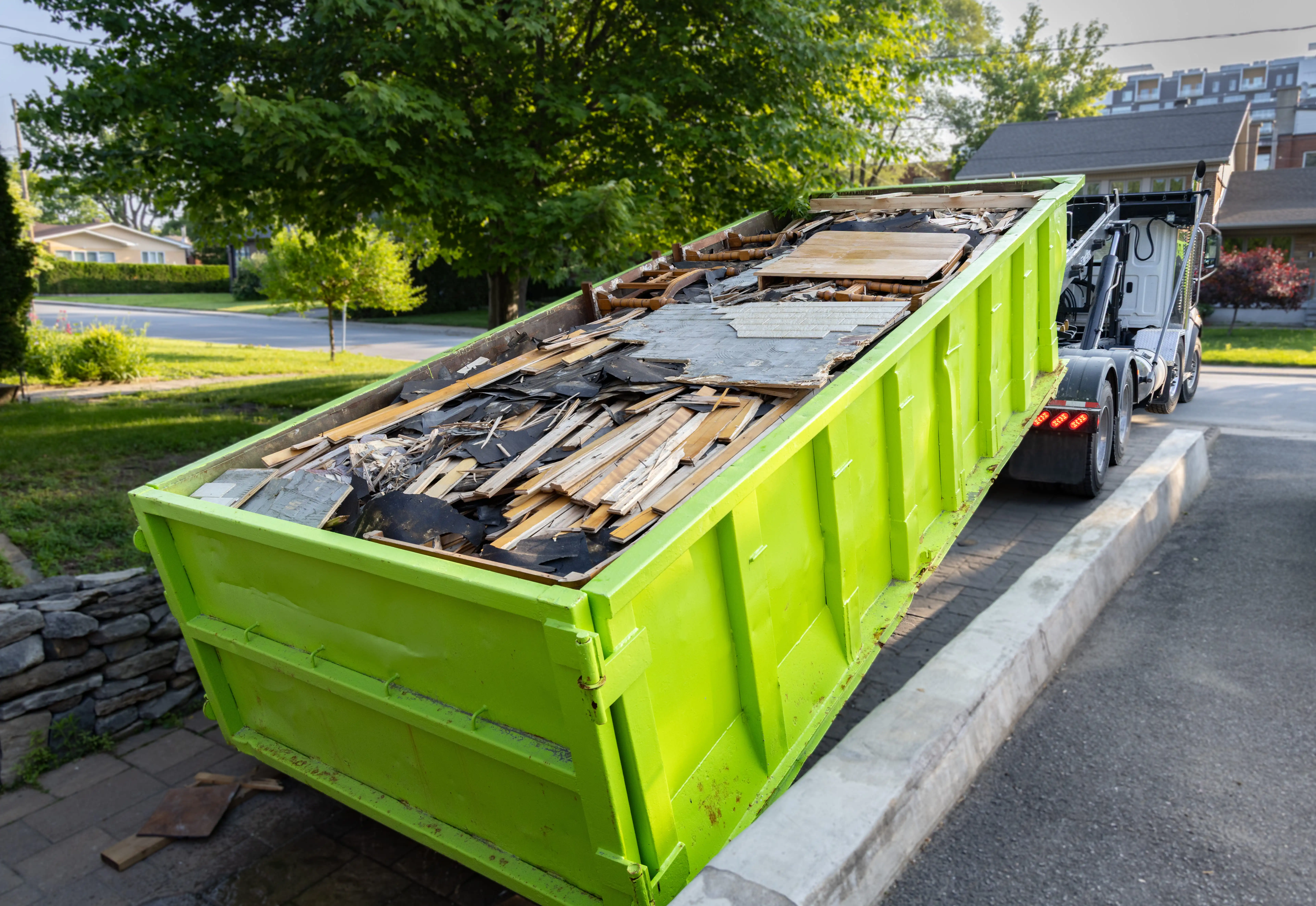
Depending on the volume and type of material, your operation may use roll-off dumpsters, trailers, designated collection containers, or flatbed pickup services. These solutions allow employees to place recyclable metal directly into dedicated containers as work is completed.
From there, pickups are scheduled based on your production cycle. Some businesses benefit from weekly service, while others may only require pickups every few weeks or around specific project milestones.
Because the schedule is established in advance, there is less downtime, fewer emergency pickups, and more predictable waste management.
Choosing the Right Collection Equipment
The right equipment makes recurring recycling much easier.
Facilities generating large quantities of structural steel or demolition scrap often rely on roll-off dumpsters that can remain on-site throughout the project. Contractors appreciate having designated containers that keep recyclable metals separate from general construction debris.
Manufacturers and warehouses with loading docks frequently use open-top trailers because they allow forklifts to load material efficiently throughout the day.
Businesses generating smaller amounts of high-value material, such as copper, brass, electric motors, or compressors, may find flatbed pickup services to be the most practical solution.
Choosing the appropriate container helps maximize efficiency while ensuring recyclable materials remain organized and easy to collect.
The Business Benefits of a Structured Recycling Program
Recurring scrap pickup offers advantages that extend well beyond waste removal.
Perhaps the most noticeable benefit is improved operational efficiency. Clean production floors and organized loading areas allow employees to move safely and work more effectively. Rather than navigating around scrap piles or searching for temporary storage space, teams can focus on production and project completion.
Recurring service can also help reduce disposal costs. By separating recyclable metal from general waste, businesses may lower landfill expenses while recovering value from materials that would otherwise be discarded.
For companies focused on sustainability, recurring recycling supports environmental initiatives by keeping valuable metals in circulation and reducing the demand for new raw materials. Steel, aluminum, copper, and many other metals can be recycled repeatedly, making them ideal candidates for long-term material recovery programs.
Finally, recurring pickup creates predictability. Facility managers no longer have to wonder when scrap will be removed or coordinate last-minute hauling requests. Instead, recycling becomes another dependable part of daily operations.
Why Partner with Olympus Recycling?
At Olympus Recycling, we understand that no two businesses generate scrap the same way. That’s why we work directly with commercial and industrial customers to develop recycling programs that fit their operations.
Whether you’re managing a manufacturing facility, overseeing multiple construction projects, operating a warehouse, or running a fabrication shop, our team helps determine the right collection equipment and pickup schedule for your needs.
We provide commercial recycling solutions, including roll-off dumpsters, trailers, and pickup services, designed to support ongoing operations, not interrupt them. Our goal is to make recycling simple, responsive, and efficient while helping businesses recover value from recyclable materials.
With locations serving both Atlanta and Gainesville, we work with companies throughout Georgia that need dependable scrap removal backed by transparent service and direct communication.
Build a Smarter Industrial Recycling Program
For businesses that generate metal every day, recurring pickup isn’t just about keeping the site clean. It’s about creating a long-term recycling strategy that supports productivity, reduces disposal costs, and simplifies operations.
Olympus Recycling’s Industrial Recycling services are designed specifically for businesses that need more than occasional scrap removal. We help manufacturers, contractors, warehouses, and industrial facilities build recycling programs that grow with their operations.
Ready to Create a Recurring Scrap Pickup Program?
If your business generates ongoing scrap metal, let’s build a recycling solution that works for your operation. Contact Olympus Recycling today to learn more about our Industrial Recycling services, recurring commercial scrap pickup, and customized recycling programs for Georgia businesses.