
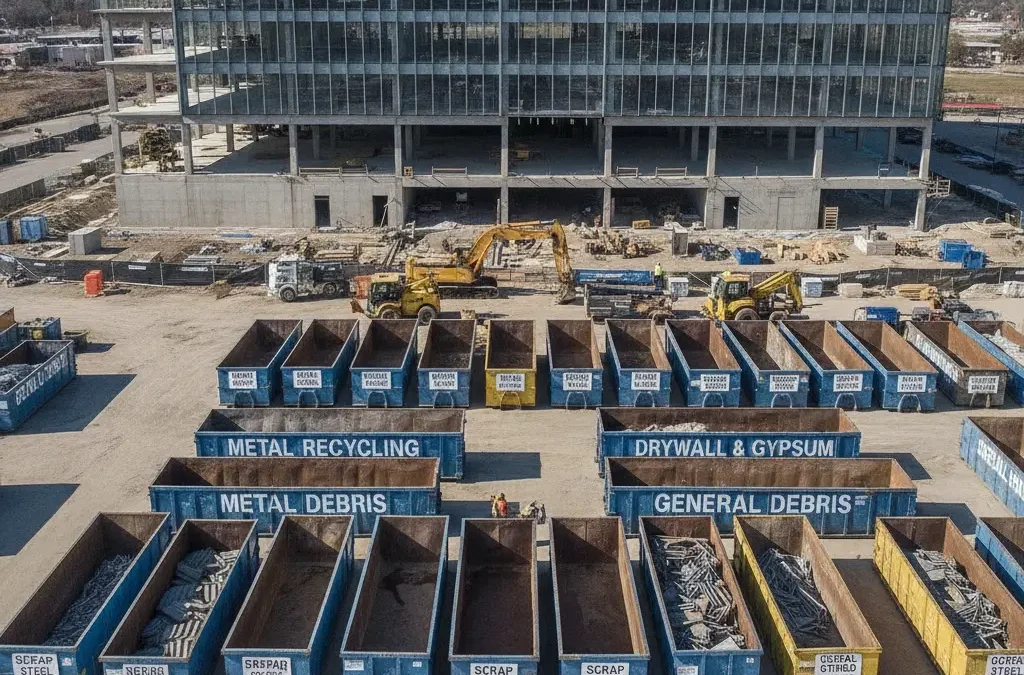
Construction projects generate a lot of debris. Between demolition materials, packaging waste, scrap metal, drywall, roofing material, and general jobsite cleanup, disposal costs can add up quickly, especially on commercial projects with tight margins.
In 2026, Atlanta construction companies are facing rising landfill fees, increased hauling expenses, and growing pressure to improve sustainability practices. As a result, contractors are looking for smarter ways to reduce waste disposal costs without slowing down projects.
The good news is that many construction companies are already sitting on opportunities to lower expenses and recover value through better waste management and recycling strategies.
From separating scrap metal to choosing the right dumpster size, here are five practical ways Atlanta contractors can reduce disposal costs and improve project efficiency.
Why Construction Waste Costs Are Increasing
Waste disposal is becoming more expensive across the construction industry for several reasons.
Landfill tipping fees continue rising due to:
- Increased landfill demand
- Transportation costs
- Fuel prices
- Environmental regulations
- Growing construction activity across metro Atlanta
At the same time, construction projects are generating larger volumes of debris as commercial development continues expanding throughout Georgia.
For contractors, these rising costs create several challenges:
- Higher project overhead
- Increased hauling expenses
- More jobsite congestion
- Additional labor spent managing debris
Many businesses are discovering that reducing disposal costs requires more than simply renting a dumpster. It requires a strategic approach to waste management.
The contractors who manage waste efficiently often improve profitability while keeping projects cleaner and more organized.
Separate Metal Scrap to Reduce Disposal Fees
One of the easiest ways to reduce disposal costs is to separate recyclable metal from general debris.
Construction sites frequently generate valuable scrap materials such as:
- Steel
- Copper
- Aluminum
- Brass
- Stainless steel
- HVAC components
- Electrical wire
When these materials are thrown into mixed debris containers, contractors pay landfill rates for materials that actually hold recycling value.
Separating scrap metal offers two major benefits:
- It reduces the amount of waste going to the landfill
- It creates potential payout opportunities through recycling
For example:
- Copper wire from electrical work
- Structural steel from demolition
- Aluminum storefront framing
- Brass plumbing fixtures
All carry scrap value when properly separated.
Dedicated scrap containers or metal-only dumpsters can significantly lower disposal costs on commercial projects.
Use the Right Dumpster Size for Each Phase
Choosing the wrong dumpster size is one of the most common mistakes contractors make.
A dumpster that’s too small creates:
- Overflow issues
- Additional haul charges
- Delays and downtime
- Jobsite clutter
A dumpster that’s too large may result in paying for unused capacity.
Different phases of construction often require different container sizes.
20-Yard Dumpsters
Best for:
- Roofing jobs
- Small renovations
- Medium-sized construction debris
- Retail remodels
30-Yard Dumpsters
Ideal for:
- Commercial buildouts
- Warehouse cleanouts
- Larger demolition projects
- Ongoing construction debris
40-Yard Dumpsters
Recommended for:
- Major demolition
- Industrial cleanouts
- Large commercial construction projects
- High-volume waste removal
Using the appropriate dumpster size throughout each phase of a project helps contractors avoid unnecessary hauling costs and keeps jobsites operating efficiently.
Schedule Consistent Pickup to Avoid Delays
Overflowing dumpsters don’t just look bad; they slow projects down.
When debris piles up:
- Crews lose productivity
- Safety risks increase
- Loading areas become congested
- Additional labor may be required to manage waste
Consistent pickup scheduling helps maintain workflow and reduce downtime.
For Atlanta construction companies, this is especially important on:
- Fast-paced commercial projects
- Tight urban jobsites
- Multi-phase renovations
- Industrial construction sites
Instead of waiting until containers are overflowing, many contractors schedule regular hauling based on project timelines and debris generation.
This proactive approach:
- Improves efficiency
- Reduces cleanup labor
- Keeps projects compliant and organized
- Prevents emergency hauling costs
Coordinating pickups with your recycling and hauling provider also helps ensure dumpsters are swapped quickly when needed.
Recycling vs Landfill Costs for Contractors
Many contractors still treat all debris the same, but recyclable materials and landfill waste have very different cost implications.
Landfills charge businesses to dispose of materials.
Recycling, on the other hand, can:
- Reduce tipping fees
- Lower hauling costs
- Generate scrap payouts
- Support sustainability goals
For projects generating large volumes of metal, recycling can make a major financial difference.
Examples include:
- Commercial HVAC replacements
- Electrical demolition
- Warehouse tear-outs
- Structural demolition
- Manufacturing facility upgrades
Separating recyclable materials often means fewer landfill loads and lower overall disposal expenses.
And in 2026, many commercial developers and property owners increasingly value contractors who prioritize recycling and sustainable waste practices.
For some projects, recycling isn’t just about savings. It can also strengthen competitive positioning during bidding and project negotiations.
Atlanta Contractor Waste Solutions from Olympus Recycling
At Olympus Recycling, we work directly with Atlanta contractors, commercial builders, demolition crews, and industrial facilities to help reduce waste disposal costs through smarter recycling and hauling solutions.
We understand that construction schedules move fast and waste management needs to keep up.
That’s why we provide:
- 20, 30, and 40-yard roll-off dumpsters
- Fast turnaround service
- Scrap metal recycling solutions
- Commercial pickup coordination
- Transparent weighing and competitive payouts
- Support for construction and demolition projects
Whether you’re handling:
- Retail renovations
- Warehouse cleanouts
- Commercial roofing
- HVAC replacements
- Structural demolition
- Large-scale construction projects
Our team helps keep waste moving efficiently while maximizing recyclable value.
For projects generating metal scrap, we can help contractors separate and recover materials that would otherwise increase landfill costs.
The result:
- Cleaner jobsites
- Lower disposal expenses
- Better project efficiency
- Additional revenue opportunities from scrap recycling
Build Smarter Waste Strategies for Your Atlanta Projects
Construction waste isn’t going away, but disposal costs don’t have to keep eating into your margins.
The most successful Atlanta contractors are:
- Separating recyclable materials
- Using the right dumpster sizes
- Coordinating pickups proactively
- Reducing landfill dependency
- Treating scrap as a recoverable asset
With the right waste management strategy, contractors can improve operational efficiency while reducing project costs.
Ready to Reduce Disposal Costs on Your Next Project?
Olympus Recycling helps Atlanta construction companies simplify waste management and maximize recycling value. Call today to discuss roll-off dumpster availability, scrap recycling options, and contractor waste solutions.
Get weighed. Get paid. And keep your project moving efficiently.