
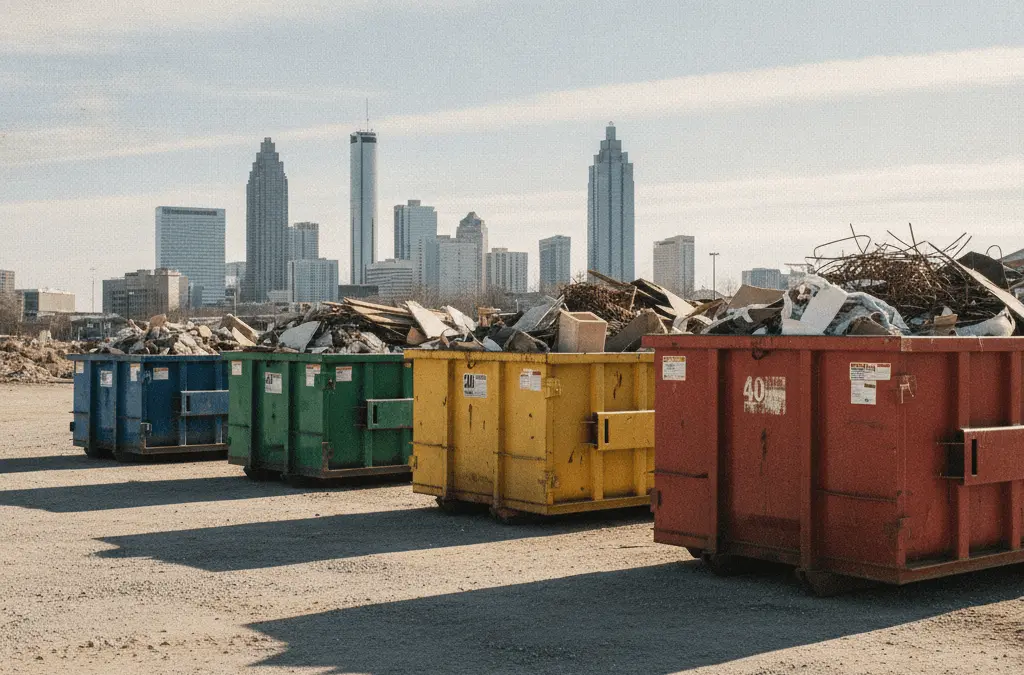
Managing waste on a commercial project is about more than simply getting debris off-site. The right dumpster size can improve jobsite efficiency, reduce downtime, prevent overflow issues, and help businesses save money throughout a project.
Whether you’re managing a commercial renovation in Atlanta, coordinating a warehouse cleanout, handling roofing debris, or overseeing a demolition project, choosing the correct dumpster size matters.
At Olympus Recycling, we work with contractors, business owners, facility managers, and industrial operations across Georgia to provide roll-off dumpsters that match the scope of the job. If you’re trying to determine whether you need a 10, 20, 30, or 40-yard container, this guide will help break down the differences and help you choose the right fit.
Why Dumpster Size Matters for Commercial Projects
Choosing the wrong dumpster size can create unnecessary problems on a project.
If the container is too small:
- Debris piles up on-site
- Overflow can create safety hazards
- Additional hauls increase costs
- Crews lose productivity managing waste
If the container is too large:
- You may pay for unused capacity
- Tight jobsites may become harder to navigate
- Placement and loading become less efficient
The ideal dumpster size balances:
- Material volume
- Weight considerations
- Available jobsite space
- Frequency of hauling
For Atlanta commercial projects, selecting the correct dumpster size helps maintain cleaner jobsites and keeps projects moving efficiently.
What Fits in a 10, 20, 30, and 40 Yard Dumpster
Understanding dumpster dimensions and capacity is the first step toward choosing correctly.
10 Yard Dumpster
A 10-yard dumpster is best for:
- Small cleanouts
- Minor renovations
- Light demolition debris
- Small office or retail updates
Typical materials include:
- Small amounts of drywall
- Flooring
- Shelving
- Light metal scrap
- Small furniture removal
This size works well when space is limited or debris volume is relatively low.
20 Yard Dumpster
A 20-yard dumpster is one of the most versatile commercial container options.
It’s ideal for:
- Medium-sized construction projects
- Roofing jobs
- Retail remodels
- Moderate demolition work
- HVAC replacements
A 20-yard container can typically handle:
- Roofing shingles
- Framing materials
- Sheet metal
- Commercial cleanup debris
- Mid-sized scrap loads
Many contractors choose 20-yard dumpsters because they offer strong capacity without overwhelming tighter urban jobsites.
30 Yard Dumpster
A 30-yard dumpster is commonly used for:
- Larger commercial renovations
- Warehouse cleanouts
- Construction debris
- Industrial cleanup projects
- Multi-unit remodels
This size works well for:
- Bulky materials
- Large furniture disposal
- Structural demolition debris
- Larger volumes of metal scrap
For Atlanta businesses managing substantial cleanup projects, 30-yard dumpsters often provide the best balance between capacity and accessibility.
40 Yard Dumpster
The 40-yard dumpster is the largest standard roll-off option and is ideal for:
- Major demolition projects
- Large warehouse cleanouts
- Industrial facility shutdowns
- Large-scale construction debris
- High-volume metal recycling projects
These containers are designed for:
- Heavy structural debris
- Large-scale renovations
- Significant waste generation over longer project timelines
If your project is expected to generate major amounts of debris, a 40-yard container helps reduce the need for multiple hauls.
Best Dumpster Sizes for Construction, Roofing, Retail & Warehouse Cleanup
Different industries generate different types of waste. Matching dumpster size to project type helps maximize efficiency.
Construction Projects
Construction jobs often produce:
- Wood
- Drywall
- Metal
- Concrete
- Packaging materials
Recommended sizes:
- Small remodels: 20-yard
- Commercial buildouts: 30-yard
- Large demolition: 40-yard
Roofing Projects
Roofing debris is dense and heavy.
Recommended sizes:
- Small commercial roofing jobs: 20-yard
- Large commercial roofs: 30-yard
Because shingles add significant weight quickly, choosing the right size prevents overload issues.
Retail Renovations
Retail remodels often involve:
- Shelving
- Flooring
- Fixtures
- Packaging waste
- Interior demolition debris
Recommended sizes:
- Smaller storefront remodels: 20-yard
- Large retail buildouts: 30-yard
Warehouse Cleanouts
Warehouse and industrial cleanouts frequently generate:
- Pallets
- Metal shelving
- Equipment scrap
- Bulk debris
Recommended sizes:
- Moderate cleanouts: 30-yard
- Large facility cleanouts: 40-yard
Industrial operations often benefit from larger containers due to the volume of bulky material.
Common Mistakes Businesses Make When Renting Dumpsters
Many businesses underestimate how much debris their project will generate.
Here are some of the most common mistakes:
Choosing Based Only on Price
Smaller dumpsters may appear cheaper upfront, but multiple pickups and overloaded containers can increase overall costs.
Underestimating Weight
Heavy materials like:
- Roofing shingles
- Concrete
- Steel
- Tile
can fill weight limits quickly even if the container isn’t visually full.
Mixing Recyclable Metals with General Debris
Construction and industrial projects often contain valuable recyclable metals like:
- Steel
- Copper
- Aluminum
- Brass
Separating recyclable metal can improve sustainability efforts and create additional value.
Waiting Too Long to Schedule Pickup
Overflowing dumpsters slow projects down and create safety concerns. Scheduling timely hauling keeps operations moving smoothly.
Ignoring Jobsite Access
Container placement matters. Tight spaces, loading docks, and urban environments may limit which dumpster sizes work best.
How Olympus Recycling Helps Atlanta Businesses Choose the Right Container
At Olympus Recycling, we work directly with Atlanta contractors, commercial businesses, industrial facilities, and demolition crews to help match the right container to each project.
We understand that every job site is different.
Our team helps businesses evaluate:
- Project size
- Material type
- Debris volume
- Hauling frequency
- Site accessibility
We offer:
- 20-yard dumpsters
- 30-yard dumpsters
- 40-yard dumpsters
- Fast turnaround service
- Commercial recycling support
- Scrap metal recovery solutions
For projects generating recyclable metal, we can also help coordinate efficient scrap recovery to maximize value and reduce landfill waste.
Whether you’re handling a warehouse cleanup, retail renovation, demolition project, or commercial construction site, our goal is to make waste management simple and efficient.
FAQs About Dumpster Rentals in Atlanta
What dumpster size is best for commercial construction projects?
For most commercial construction jobs, a 20-yard or 30-yard dumpster works well. Larger demolition or industrial projects may require a 40-yard container.
What can I put in a commercial dumpster?
Common materials include:
- Construction debris
- Roofing materials
- Drywall
- Wood
- Metal
- Packaging waste
- General commercial cleanup materials
Certain hazardous materials may not be accepted.
How long can I keep a dumpster rental?
Rental periods vary based on project needs. Olympus Recycling can help coordinate timelines based on your schedule and hauling requirements.
Can recyclable metal go in the dumpster?
Yes, but separating scrap metal from general debris may help improve recycling efficiency and overall project value.
Do I need multiple dumpsters for large projects?
For large commercial jobs, multiple containers or scheduled swap-outs are often the best solution for maintaining productivity.
Keep Your Atlanta Project Moving with Olympus Recycling
The right dumpster size can improve efficiency, reduce downtime, and simplify cleanup across every phase of your project.
At Olympus Recycling, we help Atlanta businesses, contractors, and industrial facilities find the right roll-off dumpster solution for their needs.
Whether you need a 20-yard container for a retail remodel or a 40-yard dumpster for a large demolition project, our team is ready to help.
Call today to discuss dumpster availability, project needs, and container sizing. Get weighed. Get paid. And keep your project moving efficiently.